How to Evaluate a Men's Wool Suit Manufacturer for OEM Orders
News Details
Choosing an OEM suit manufacturer requires more than comparing prices and product photos. A reliable supplier must translate a design brief into repeatable garments across fabrics, colors, and sizes.
Before placing a bulk order, buyers should verify the legal business entity, manufacturing role, sample process, material specifications, size grading, quality controls, and delivery plan. These checks are especially important for men’s wool suits because small changes in fabric, pattern balance, pressing, or construction can affect the full garment.
This guide explains how menswear brands, retailers, importers, and corporate buyers can evaluate an OEM partner with clear and verifiable criteria.
Confirm the Supplier and Factory Relationship
The terms manufacturer, supplier, factory, exporter, and brand owner do not always describe the same business.
A suit supplier may own a factory, manage production through approved partner factories, or coordinate several specialist facilities. None of these models is automatically better. However, the buyer should know who performs each task and who carries contractual responsibility.
Before development, confirm:
- The legal entity that will sign the agreement
- The location where samples and bulk goods will be produced
- Whether production is completed in-house or through partner factories
- Who sources the fabric, lining, buttons, and labels
- Who approves quality and corrective action
- Who manages export documents and after-sales issues
- Whether brand names and trademarks are properly authorized
If a company markets itself as a suit factory, request information that supports this description. Useful evidence may include its registered production scope, facility address, production records, relevant audit documents, and current manufacturing capabilities.
Clear entity information strengthens buyer trust and reduces confusion during contracts, payments, production, and claims.
Understand OEM ODM and Private Label Services
Buyers should define the development model before requesting a quotation.
An OEM suit manufacturer normally produces garments from the buyer’s design, technical pack, approved pattern, or reference sample. The buyer controls the product concept and key specifications.
An ODM suit manufacturer may provide more design and development input. This can include fabric suggestions, style development, construction options, pattern support, and sample refinement.
Private label suit production often starts with an existing product direction and adds the buyer’s branding. Custom elements may include:
- Main and size labels
- Fabric and color
- Jacket fit
- Lapel and pocket design
- Buttons and lining
- Trouser shape
- Hangtags
- Garment bags
- Carton markings
The quotation should state which services are included. Design work, pattern development, sample revisions, special trims, and testing may involve separate costs.
Review Relevant Product Experience
A general clothing supplier may not have the same technical experience as a specialist men’s wool suit manufacturer.
Tailored jackets require control over shoulder balance, collar setting, lapel roll, sleeve pitch, jacket fronts, vents, and pressing. Coordinated trousers add further requirements for the waistband, rise, seat, thighs, knees, and leg opening.
Review products that match the intended program. These may include:
- Two-piece wool suits
- Solid business suits
- Pinstripe suits
- Plaid wool suits
- Stretch wool suits
- Standalone wool blazers
- Travel suits
- Corporate business suits
Mariswear’s men’s wool suit manufacturing solutions cover two-piece suits and blazers in solid, striped, and plaid directions. Buyers can use existing styles as a starting point or develop a private label collection for a defined market.
Evaluate the Sample Development Process
A dependable OEM supplier should use a controlled sample process rather than relying on informal comments.
Development normally begins with a written product brief. It should define the customer, selling season, fabric, fit, construction, size range, branding, target price, and packaging requirements.
A practical process may include:
- Product brief and technical review
- Fabric and trim selection
- First development sample
- Written fit and construction comments
- Revised sample
- Pre-production sample
- Selected size-set review
- Final specification approval
Buyers should record each change. The approved sample, measurement chart, fabric reference, and construction specification should become the standard for bulk production.
This process gives both parties clear evidence of what was approved and reduces disputes based on memory or photographs.
Verify Wool Fabric Specifications
Fabric descriptions should use measurable information.
For example, “premium wool” does not confirm fiber content, fabric weight, weave, finish, stretch, or performance. A sourcing specification should identify the actual qualities required for the collection.
Ask the manufacturer or fabric supplier to confirm:
- Fiber composition
- Fabric code and color
- Weight and usable width
- Weave and surface finish
- Stretch direction and recovery
- Shrinkage requirements
- Shade and lot controls
- Care instructions
- Available test reports
- Documents supporting performance claims
Mariswear’s current collection includes 100% wool styles and 98% wool with 2% Lycra options. However, buyers should still approve the exact production fabric. A fabric used in one sample or collection does not automatically represent every future bulk order.
Claims such as wrinkle-resistant, moisture-wicking, breathable, or recycled should match the selected material and available evidence.
Check Fit Development and Size Grading
Approving one sample size is not enough for wholesale men’s suits.
Size grading controls how the shoulder, chest, waist, jacket length, sleeves, trouser rise, thighs, and hem change across the range. Poor grading can make smaller sizes restrictive and larger sizes unbalanced.
Ask the OEM suit manufacturer to provide:
- A complete measurement chart
- Defined measurement points
- Production tolerances
- Base-size approval
- Size-set samples or selected graded sizes
- Fit photographs when useful
- A process for recording revisions
E-commerce brands should pay close attention to size consistency because inaccurate grading may increase returns. Corporate buyers also need a broad and stable size range for group orders and replacement garments.
Examine Quality Control at Each Stage
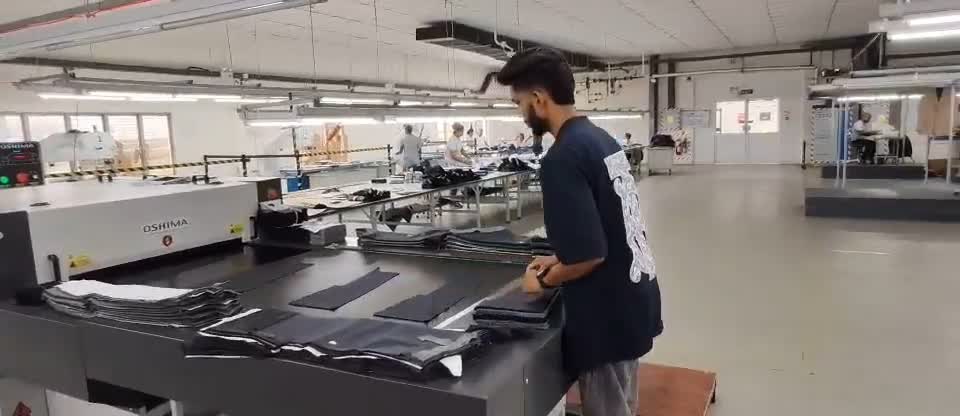
Final inspection alone cannot correct every tailoring problem. A capable suit supplier should place controls before, during, and after production.
Before cutting, the team should verify fabric identity, shade, direction, visible defects, and pattern requirements.
During production, inspections should cover operations that affect garment balance and appearance. These include collar setting, lapels, shoulders, pockets, sleeves, vents, waistbands, and trouser legs.
Final inspection should check:
- Finished measurements
- Shoulder and collar balance
- Lapel symmetry
- Sleeve hang
- Pocket and button placement
- Stripe or plaid alignment
- Seam and lining condition
- Pressing quality
- Label accuracy
- Packing and size identification
If the buyer requires an AQL inspection or third-party inspection, the acceptance standard should be agreed before production. The supplier should not claim a fixed inspection level unless it applies to the actual order.
Clarify MOQ Pricing and Production Time
MOQ and production time depend on the product rather than the word “OEM” alone.
Fabric availability, color quantity, size range, custom trims, construction, packaging, and testing can all affect the order requirement.
When comparing quotations, ask each supplier to separate:
- Sample charges
- Pattern or development fees
- Fabric minimums
- MOQ per style and color
- Label and packaging minimums
- Bulk unit price
- Testing costs
- Inspection costs
- Freight terms
- Estimated schedule after approval
A low MOQ suit manufacturer may still require higher fabric or trim minimums. Therefore, buyers should compare the complete project cost and confirm whether unused materials must be purchased.
Production time should begin from a defined milestone, such as final sample approval and deposit receipt, rather than from the first inquiry.
Plan for Repeat Orders
A suitable wholesale suit supplier should support consistency beyond the first order.
Ask how the supplier stores approved patterns, measurement charts, fabric references, trim details, labels, and packing instructions. Before every repeat order, confirm whether any material, pattern, facility, or process has changed.
Buyers should also discuss:
- Fabric continuity
- Shade differences between lots
- Replacement sizes
- Reorder quantities
- Updated labels or legal requirements
- Record retention
- Corrective action for repeated defects
Reliable records make repeat production easier to review and reduce variation between seasons.
Questions to Ask Before Selecting a Suit Manufacturer
Before approving an OEM partner, ask:
- Which legal entity will sign the contract?
- Where will samples and bulk goods be produced?
- What parts of production are outsourced?
- Can the supplier work from our technical pack?
- How many sample revisions are included?
- How is size grading approved?
- What fabric records and test documents are available?
- Which in-line and final inspections are performed?
- How are MOQ and lead time calculated?
- How are changes controlled during repeat orders?
Clear answers are more useful than broad claims about quality, craftsmanship, or factory scale.
Working with Mariswear
Mariswear supports wool suit development for menswear brands, retailers, importers, e-commerce businesses, boutiques, and corporate buyers.
The current range includes two-piece suits and standalone blazers in solid, striped, and plaid designs. Available directions include 100% wool and wool-stretch fabrics, private label details, market-specific fit development, size grading, sample approval, and bulk quality control.
Buyers can review the men’s wool suit collection and the slim-fit stretch wool suit bulk production case before submitting a project brief.
For a useful first review, provide the preferred style, fabric, target market, size range, branding requirements, estimated quantity, and destination. Mariswear can then assess the development route and confirm the information required for sampling and quotation.
Frequently Asked Questions
What is the difference between a suit manufacturer and a suit supplier?
A manufacturer performs or directly manages garment production. A supplier may also coordinate materials, partner factories, exports, logistics, and customer service. Buyers should verify the actual role instead of relying on the company title.
What information does an OEM suit manufacturer need for a quotation?
The supplier normally needs the style, fabric, quantity, size range, construction, branding, packaging, destination, and required delivery date. A technical pack or reference sample can improve quotation accuracy.
Should buyers choose the lowest-priced suit factory?
Price should be reviewed together with fabric, construction, sampling, quality control, packaging, payment terms, and delivery risk. A lower unit price may exclude services required for the project.
Can a private label suit supplier develop custom sizing?
Many suppliers can develop a brand-specific measurement chart. However, buyers should confirm pattern development, grading, sample revisions, tolerances, and size-set approval before bulk production.
How can buyers verify factory claims?
Request the legal company name, production address, business scope, relevant audits, current production information, and confirmation of any outsourced operations. The evidence should match the entity responsible for the order.


