Men's Wool Suits for Formal Events: What Buyers Should Check
News Details
A men’s wool suit remains a reliable choice for business ceremonies, weddings, conferences, award dinners, and other formal events. Wool offers a refined surface, natural drape, and a clean tailored shape. However, the right suit should match more than the event date.
Dress code, venue, climate, color, fit, and construction all affect the final choice. For menswear brands, retailers, corporate buyers, and event organizers, these factors also influence customer satisfaction and repeat orders.
This guide explains how to select formal wool suits that look polished, feel comfortable, and meet commercial buying needs.
Start with the Event Dress Code
The first step is to define how formal the event will be.
For business conferences and corporate ceremonies, navy, charcoal, and dark gray suits are practical choices. They create a professional look and are easy to coordinate with company colors.
Weddings offer more flexibility. Navy and medium gray work well for many venues, while subtle stripes or checks can add character. Evening receptions often suit darker colors and smoother fabrics.
For formal dinners and award events, a dark solid men’s wool suit usually creates the safest appearance. However, if an invitation states “black tie,” a tuxedo may be more suitable than a standard business suit.
B2B buyers should confirm the dress code before approving fabrics or samples. This simple step prevents a collection from looking too casual or too conservative.
Choose a Suitable Color and Pattern
Color affects both formality and commercial appeal.
Solid navy and charcoal are among the most versatile choices for formal suits for men. Black can work for evening events, ceremonies, and specific corporate programs. Medium gray is also useful for daytime events and warmer seasons.
Patterns should match the setting:
- Solid wool offers the widest formal use
- Fine stripes create a sharp business look
- Subtle plaid suits modern formal and wedding collections
- Strong checks are better for fashion-led or less formal events
Patterned fabrics need extra production control. Stripes and checks should align across the jacket front, lapels, pockets, sleeves, and trousers. Therefore, buyers should inspect pattern placement during sample approval and bulk production.
Compare 100% Wool and Wool-Stretch Fabrics
Fabric composition influences drape, hand feel, comfort, and movement.
A 100% wool suit provides a natural feel and classic tailored appearance. It is suitable for executive clothing, formal businesswear, premium events, and traditional suit collections.
A wool-stretch fabric can provide more flexibility. For example, Mariswear offers two-piece suits made with 98% wool and 2% Lycra. This composition keeps the look of wool while adding controlled ease for sitting, walking, and long event schedules.
Neither option is right for every order. Buyers should consider the customer, event duration, fit, and expected level of movement. They should also review a finished sample rather than relying only on the fiber label.
Match the Fabric to the Climate
A formal suit must look sharp, but it should also feel comfortable throughout the event.
Lightweight wool is often suitable for summer weddings, warm regions, and indoor events with long periods of standing. Medium-weight wool offers more structure and can work across many seasons. Heavier wool provides warmth and fuller drape for winter events.
The venue matters as well. An outdoor ceremony in a humid climate requires a different fabric from a winter dinner in a heated hotel.
Buyers should assess:
- Local temperature and humidity
- Indoor or outdoor use
- Event length
- Seasonal delivery date
- Lining and internal construction
- Required wrinkle recovery
When selling to several regions, brands may need separate warm-weather and cold-weather options.
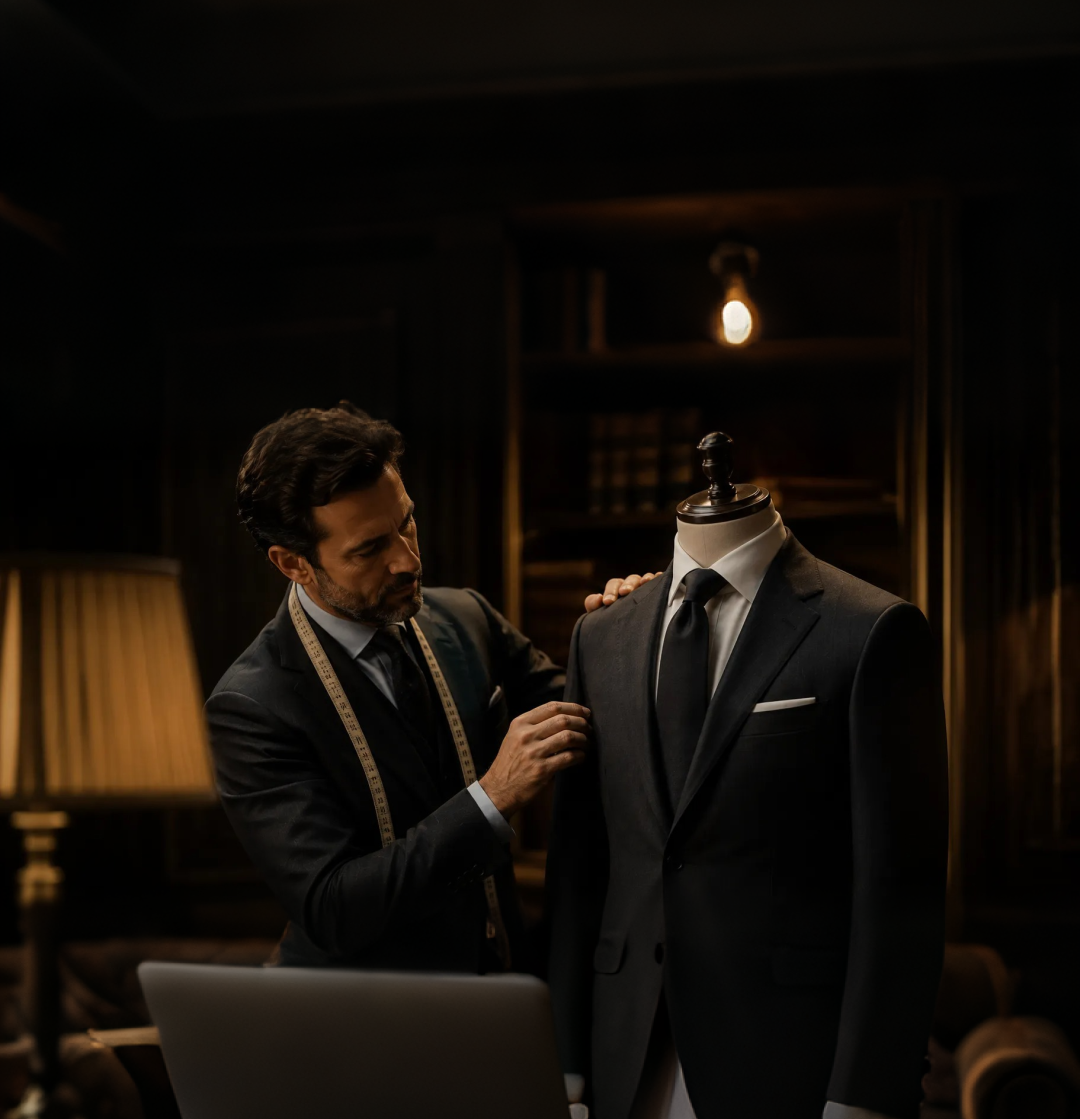
Select a Fit That Looks Formal and Feels Natural
A well-fitted men’s wool suit should follow the body without restricting movement.
The shoulder seam should sit near the natural shoulder. The collar should remain close to the shirt collar, while the lapels should lie flat against the chest. When buttoned, the jacket should look shaped without strong pulling lines.
A slim fit creates a modern profile with a shaped waist and tapered trousers. However, it still needs enough room for sitting and walking. A classic fit provides more ease through the chest, waist, seat, and thighs, making it useful for corporate groups and customers who prefer a traditional silhouette.
Fit names can vary between brands. Therefore, B2B buyers should approve actual garment measurements, a fit sample, and key sizes before production.
Review the Formal Suit Details
Small design choices can change the overall level of formality.
A single-breasted, two-button jacket with notch lapels is a versatile option for business events, weddings, and formal gatherings. Double vents support movement and help the jacket fall cleanly when the wearer sits or walks.
Buyers should also review:
- Lapel shape and width
- Shoulder structure
- Button position
- Flap or jetted pockets
- Full or partial lining
- Sleeve button design
- Trouser rise and taper
- Belt loops or side adjusters
- Trouser hem finish
These details should support the same visual direction. A formal jacket paired with trousers that are too tight or too casual can make the full suit look unbalanced.
Coordinate the Complete Formal Look
A suit is only one part of formal dressing.
White and pale blue shirts are versatile for business and corporate events. A plain silk tie creates a classic finish, while a restrained pattern can add interest. Dark leather shoes and a matching belt complete most business-formal outfits.
For wedding and retail collections, buyers can present complete styling suggestions with shirts, ties, pocket squares, and footwear. This helps customers understand the product and can support related sales.
The accessories should complement the suit instead of competing with it. If the wool fabric already has stripes or checks, simpler accessories often create a cleaner result.
Plan Corporate and Group Suit Orders
Formal events often require suits for an entire team, wedding party, or corporate group. In this case, consistency becomes as important as individual style.
Before sampling, buyers should confirm:
- Number of wearers
- Size distribution
- Event date and location
- Dress code and company colors
- Fabric and fit direction
- Branding requirements
- Alteration needs
- Replacement or reorder plans
A representative size set can reveal grading issues before bulk production. In addition, an approved fabric swatch and pre-production suit provide clear standards for later inspections.
Inspect Quality Before Shipment
Formal wool suits need careful quality control because small faults can be easy to see under event lighting and in photographs.
Inspection should cover:
- Fabric color and surface
- Shade consistency between garments
- Stripe or check alignment
- Shoulder and collar balance
- Lapel symmetry
- Jacket front appearance
- Sleeve hang and length
- Trouser balance and measurements
- Button, pocket, and lining construction
- Pressing, labels, and packaging
Pressing is especially important. It shapes the lapels, chest, seams, and trouser creases. Poor pressing can reduce the formal appearance of an otherwise well-made suit.
Source Formal Men’s Wool Suits from Mariswear
Mariswear’s tailoring range includes two-piece wool suits and standalone blazers for business, formal, wedding, event, and smart-casual use. Available styles include solid, striped, and plaid designs in 100% wool and 98% wool with 2% Lycra.
The current collection also includes single-breasted jackets with notch lapels and double vents. Buyers can discuss styles, fabrics, sizes, quantities, branding, and delivery needs before confirming a project.
The right men’s wool suit should match the event while supporting comfort, fit, and consistent production. By reviewing these points before bulk ordering, brands and corporate buyers can build formal suit programs that look coordinated and perform well throughout the event.
FAQ
Which suit color is best for a formal event?
Navy and charcoal are versatile choices for business events, weddings, and formal ceremonies. Black is more suitable for many evening events.
Is a wool-stretch suit formal enough?
Yes. A small amount of stretch fiber can improve movement while keeping a clean wool appearance. The final look also depends on the fabric, fit, and construction.
Should formal suits have a slim fit?
Not always. Slim fit suits create a modern shape, while classic fit suits offer more room. The best option depends on the target customer and event type.
Why should buyers approve a finished sample?
A finished sample shows the actual fit, drape, color, construction, and pressing. These features cannot be judged fully from a fabric swatch.


