A Practical Guide to Winter Wool Blazers for Men
News Details
A winter wool blazer should provide warmth, structure, and comfort without feeling too heavy. It must also fit well over a shirt, fine knit, or light sweater.
Unlike a complete men’s wool suit, a standalone blazer can be paired with different trousers. This makes it a flexible choice for offices, client meetings, business travel, and formal events.
However, the right blazer depends on the climate, fabric, fit, construction, and target customer. This guide explains what brands, retailers, and corporate buyers should consider before placing a bulk order.
Match the Blazer to the Winter Climate
Start by defining where and how customers will wear the blazer.
A medium-weight wool jacket may be enough for mild winters and heated offices. Colder regions often require a denser fabric, full lining, and more room for layering.
Buyers should consider:
- Average winter temperature
- Indoor heating
- Time spent outdoors
- Wind and humidity
- Travel and commuting needs
- Expected wearing season
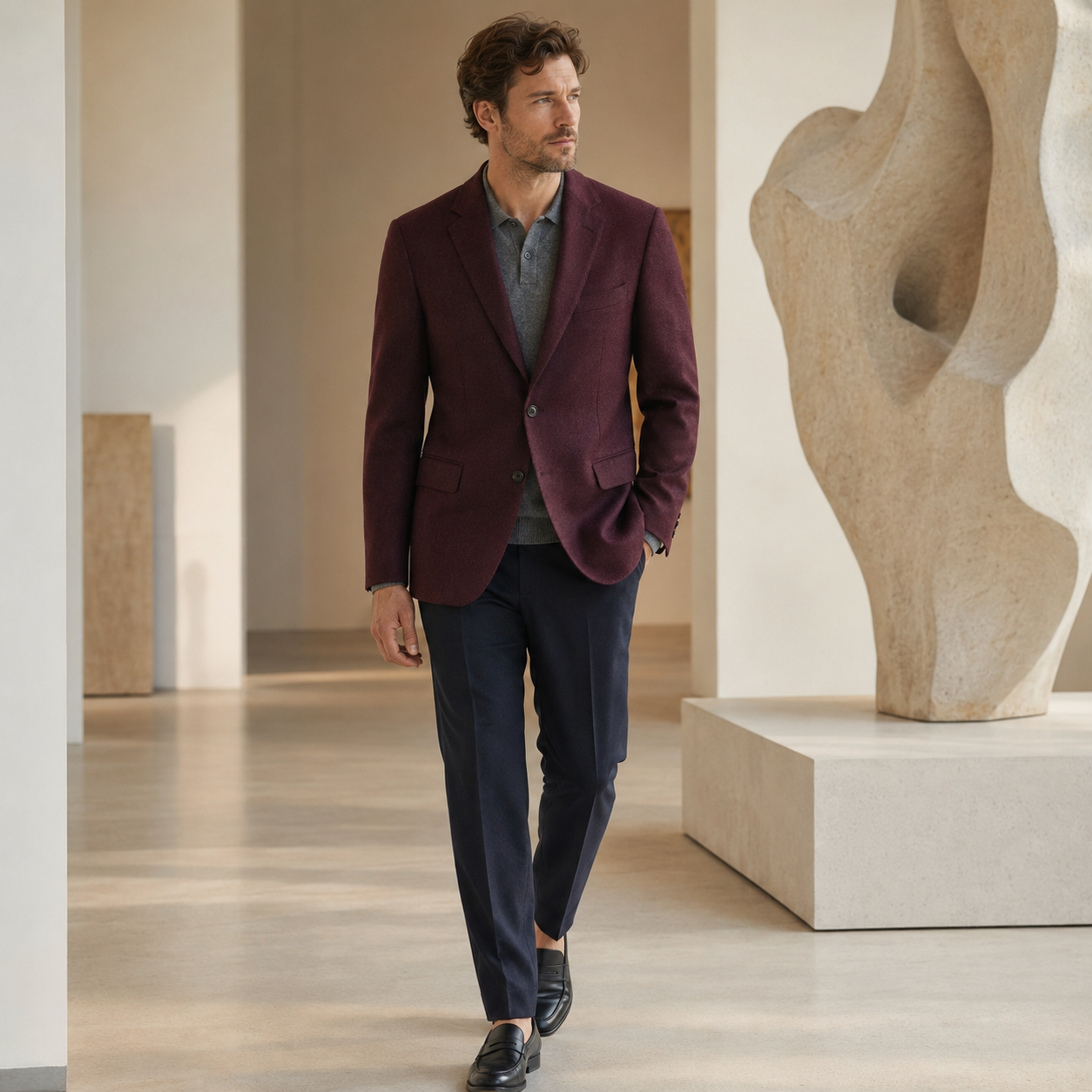
A very heavy blazer may feel uncomfortable indoors. In contrast, a light fabric may not provide enough protection in cold or windy conditions. Therefore, the fabric should match real wearing conditions rather than the season name alone.
Choose the Right Wool Weight and Weave
Fabric weight affects warmth, drape, and structure.
Wool around 240–280 GSM can suit mild winters and indoor businesswear. Fabrics between about 280 and 320 GSM provide more body and warmth for colder markets. Heavier wool above 320 GSM can support traditional winter tailoring, although it may feel too warm in heated offices.
The weave is also important.
Smooth worsted wool creates a clean and formal appearance. It works well for executive clothing and coordinated men’s wool suit collections.
Wool flannel has a soft, brushed surface and a warmer seasonal look. Meanwhile, twill and herringbone fabrics add texture while keeping a professional appearance.
Because weight ranges can vary, buyers should review the actual fabric and a finished sample before approval.
Compare 100% Wool and Wool-Stretch Fabrics
A 100% wool blazer provides a natural hand and classic drape. It is a strong choice for formal businesswear, executive clothing, and premium winter collections.
A wool blend with a small amount of Lycra can offer more flexibility. It may suit slim-fit blazers, travel collections, and jobs that require frequent movement.
Mariswear’s range includes solid 100% wool blazers and selected styles made from 98% wool and 2% Lycra. Buyers can compare both options based on:
- Warmth and breathability
- Hand feel
- Stretch and recovery
- Crease resistance
- Shrinkage
- Surface appearance
- Expected wearing frequency
The right composition depends on the target market and intended use.
Allow Enough Room for Winter Layers
Customers may wear a winter blazer over shirts, knitwear, or light sweaters. Therefore, the chest, sleeves, armholes, and back need enough room for layering.
A slim fit can create a modern shape, but it should not restrict the shoulders or arms. A classic fit provides more ease through the chest, waist, sleeves, and back. It can be a practical choice for corporate programs and customers who value comfort.
Fit should be tested with the clothing customers are likely to wear underneath. The wearer should be able to sit, button the jacket, reach forward, and move the arms without strong pulling lines.
Buyers should also approve actual garment measurements. Fit terms such as slim, tailored, and classic can differ between brands.
Select Professional Winter Colors and Patterns
Dark and muted colors are easy to use in winter business collections.
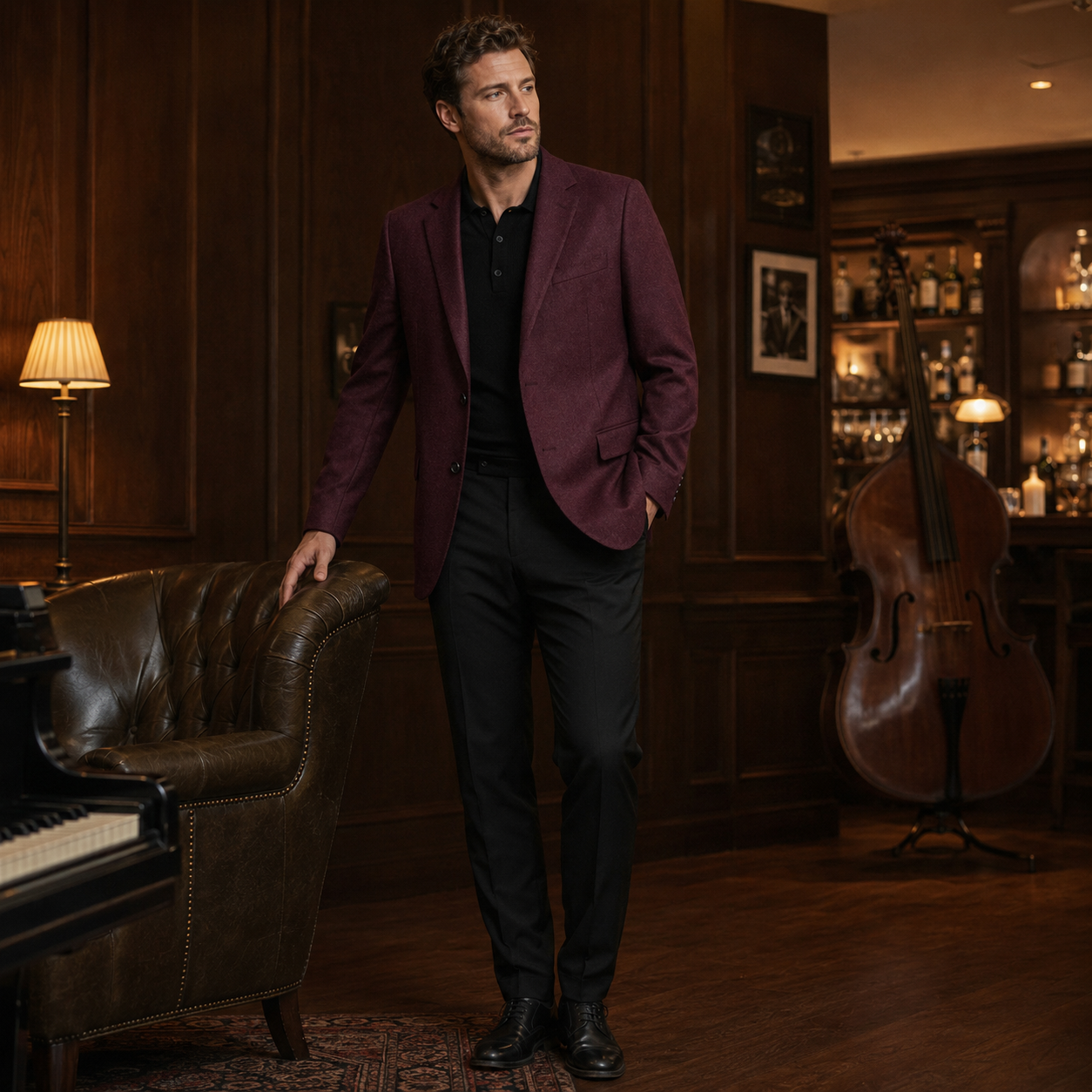
Navy, charcoal, black, dark gray, and deep brown pair well with shirts, sweaters, wool trousers, and overcoats. These colors can also remain in a collection across several seasons.
For more variety, buyers can add:
- Burgundy
- Forest green
- Camel
- Gray herringbone
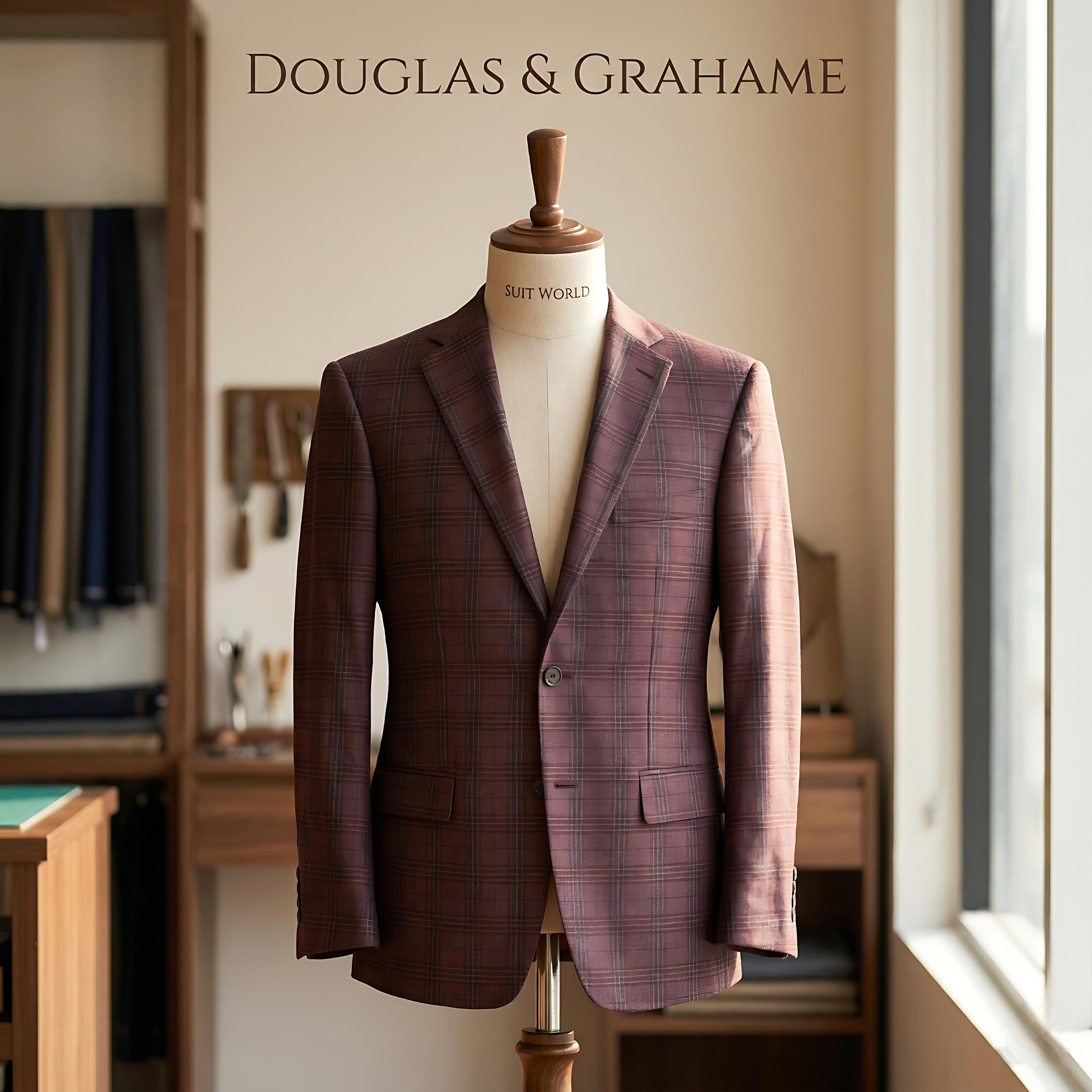
- Brown or navy plaid
- Subtle mixed-color textures
Solid wool blazers offer the widest business use. Plaid and herringbone styles add more character to smart-casual and retail collections.
However, patterned fabrics need careful cutting. Checks and lines should align across the jacket fronts, lapels, pockets, sleeves, and back.
Review the Jacket Construction
The outer fabric and internal structure must work together.
A full lining creates a smooth interior and helps the blazer slide over winter layers. However, thick fabric combined with heavy padding can make the jacket feel stiff.
A single-breasted, two-button blazer with notch lapels is suitable for many professional settings. Double vents also support movement and help the jacket fall cleanly when the wearer sits or walks.
Other important details include:
- Shoulder structure
- Lapel width
- Jacket length
- Button position
- Flap or jetted pockets
- Sleeve construction
- Internal pockets
- Lining material and color
These details should support one clear style. A formal wool fabric, for example, should be combined with clean and balanced jacket features.
Build a Focused Winter Blazer Collection
A commercial collection should cover different customer needs without including too many similar products.
A practical winter range may include:
- Navy 100% wool business blazer
- Charcoal formal wool blazer
- Stretch wool travel blazer
- Gray herringbone jacket
- Subtle plaid smart-casual blazer
- Classic-fit corporate blazer
These products can complement a wider range of winter suits for men. Retailers can also present them with plain trousers, chinos, shirts, and fine knitwear.
Before sampling, buyers should define the target customer, climate, fit, fabric, size range, sales channel, branding, and order quantity.
Approve Samples and Control Bulk Quality
A fabric swatch cannot show the final fit, drape, or comfort. Therefore, buyers should approve a complete sample before bulk production.
The inspection standard should cover:
- Fabric composition and weight
- Color and lot consistency
- Pattern alignment
- Shoulder and collar balance
- Lapel shape
- Sleeve hang
- Finished measurements
- Lining and internal finishing
- Pressing, labels, and packaging
Pressing deserves close attention because it shapes the lapels, chest, seams, and overall silhouette.
An approved blazer and fabric swatch should be retained as references for bulk inspection and future repeat orders.
Develop Winter Wool Blazers with Mariswear
Mariswear’s tailoring range includes two-piece men’s wool suits and standalone blazers for business, formal, travel, event, and smart-casual markets.
Available directions include solid and plaid styles in 100% wool and 98% wool with 2% Lycra. Current designs also feature single-breasted fronts, notch lapels, and double vents.
Buyers can discuss fabric weight, fit, colors, sizes, branding, quantities, and delivery requirements before sample development. By matching the material and construction to the target climate, brands can build a winter blazer collection that offers warmth, comfort, and a consistent professional appearance.
Frequently Asked Questions
What wool weight is suitable for a winter blazer?
Medium to heavy wool is commonly used. The ideal weight depends on the local climate, lining, indoor heating, and time spent outdoors.
Is 100% wool suitable for winter businesswear?
Yes. A 100% wool blazer offers natural warmth, clean drape, and a classic professional appearance.
Should a winter wool blazer have a classic fit?
A classic fit provides useful space for layering. However, a slim or tailored fit can also work if it allows enough room through the chest, sleeves, and shoulders.
Is a full lining necessary for winter?
A full lining creates a smooth interior and adds some insulation. Still, the whole jacket should remain light enough for comfortable indoor wear.
Why should buyers approve a finished sample?
A finished sample shows how the fabric works with the pattern, lining, shoulder structure, and pressing. It gives buyers a more accurate production reference than a swatch alone.


