Differences Between Wool Suit Fabrics for Men Explained
News Details
The fabric of a men's wool suit affects far more than color and texture. It determines how the suit drapes, feels, moves, resists wrinkles, and performs in different climates.
A smooth worsted wool suit may be suitable for daily office wear, while soft wool flannel can offer more warmth for winter. A lightweight high-twist fabric may be better for travel or warm weather. Meanwhile, a wool-Lycra blend can provide added flexibility for a close tailored fit.
For menswear brands, retailers, and corporate buyers, understanding these differences is important before selecting fabric for a new collection. Fiber content, yarn, weave, weight, and finish should all match the target customer and intended use.
Why Wool Is Widely Used for Men's Suits
Wool is well suited to tailoring because its natural fiber structure offers drape, resilience, and comfort. It can hold a clean trouser crease and shaped jacket front while still adapting to movement.
Wool can also absorb and release moisture vapor, which helps it feel comfortable in changing indoor and outdoor conditions. However, performance varies according to the type of wool, yarn construction, fabric density, and finishing process.
Key reasons for using wool in suits include:
- A clean and natural drape
- Good shape recovery
- A refined surface
- Comfort across several seasons
- Compatibility with structured tailoring
- A wide choice of weights and weaves
- Suitability for solid, striped, and plaid designs
Still, a wool label alone does not show how a fabric will perform. Buyers should always assess an actual swatch and finished sample.
100% Wool Suit Fabric
A 100% wool suit uses wool without added synthetic or stretch fibers. It is a traditional choice for business suits, formalwear, executive clothing, and premium standalone blazers.
Its advantages depend on the selected cloth. A fine worsted wool may feel smooth and light, while wool flannel has a softer, warmer surface.
A well-selected 100% wool fabric can provide:
- Natural drape
- A classic tailored appearance
- Comfortable moisture management
- Good pressing performance
- A refined hand feel
However, composition is only the starting point. Two fabrics marked 100% wool may differ greatly in weight, durability, softness, wrinkle behavior, and price.
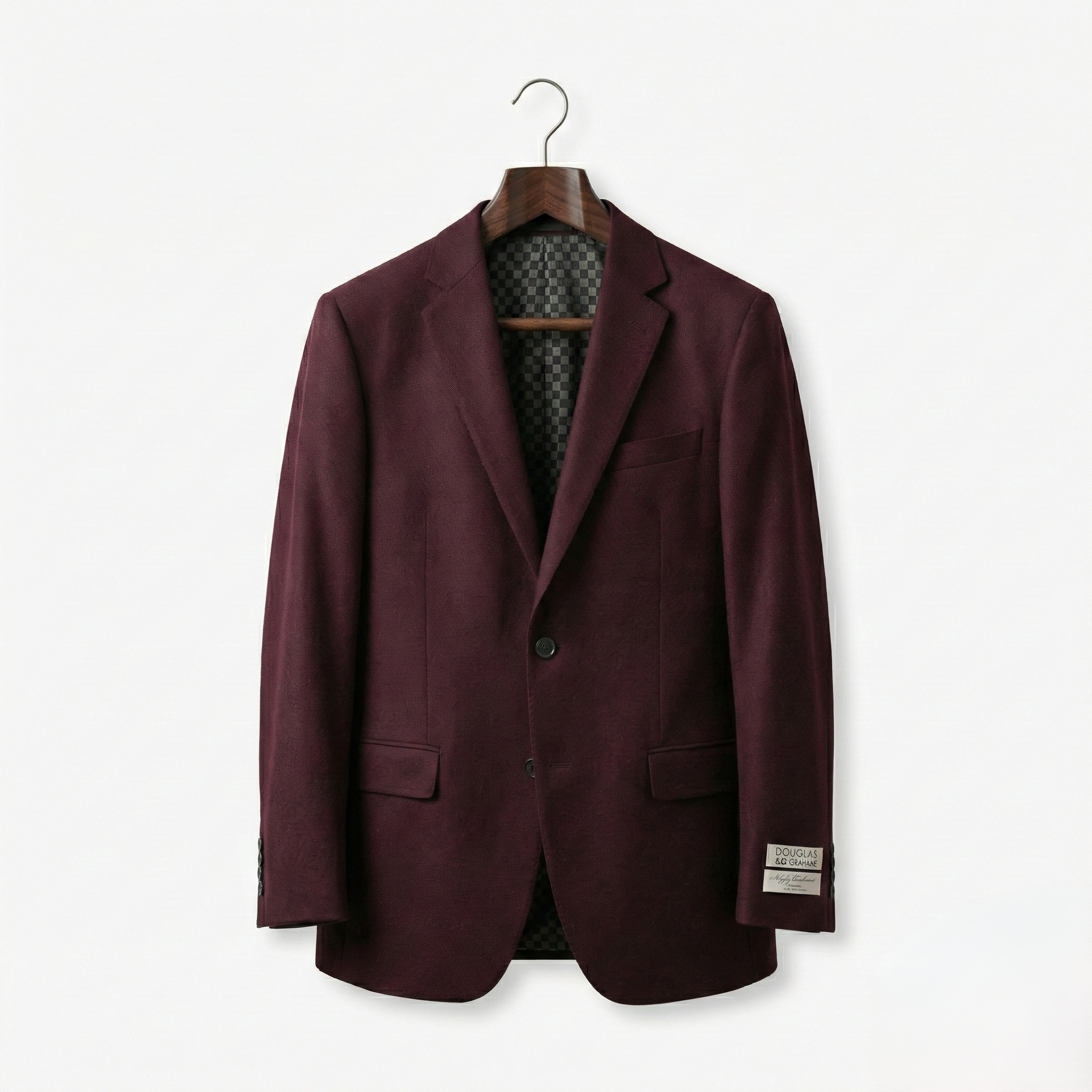
Mariswear's current collection includes 100% wool solid blazers designed for business and formal styling. This fabric direction is suitable when buyers want a natural wool hand and a clean professional silhouette.
Wool-Lycra Stretch Suit Fabric
A wool-Lycra suit combines wool with a small amount of elastic fiber. Mariswear also offers styles made with 98% wool and 2% Lycra.
This construction is designed to keep the appearance and feel of wool while adding subtle flexibility. It can be useful for slim-fit suits, travel collections, weddings, office clothing, and long working days.
The added stretch may improve comfort when the wearer sits, walks, or reaches. However, buyers should not judge stretch only by pulling the fabric by hand.
A proper review should cover:
- Stretch in the required direction
- Recovery after extension
- Surface stability
- Seam performance
- Shape after sitting
- Dimensional stability
- Compatibility with the suit pattern
A stretch fabric cannot correct a poorly balanced pattern. The garment still needs enough ease through the chest, armholes, seat, and thighs.
Worsted Wool Suit Fabric
Worsted wool is made from longer fibers that are combed so they lie in a more parallel direction. The yarn is usually smooth and compact, creating a clean fabric surface.
It is one of the most common choices for business suits because it offers a sharp appearance and works well with structured tailoring.
Worsted wool can be used for:
- Daily business suits
- Corporate uniforms
- Formal events
- Wedding suits
- Travel clothing
- Year-round collections
Its performance changes with yarn twist, weave, weight, and finish. A lightweight worsted cloth may suit warm offices, while a denser version can provide more structure for cool weather.
Woolen and Flannel Suit Fabrics
Woolen yarns are generally softer, hairier, and less tightly aligned than worsted yarns. They can trap more air and often feel warmer.
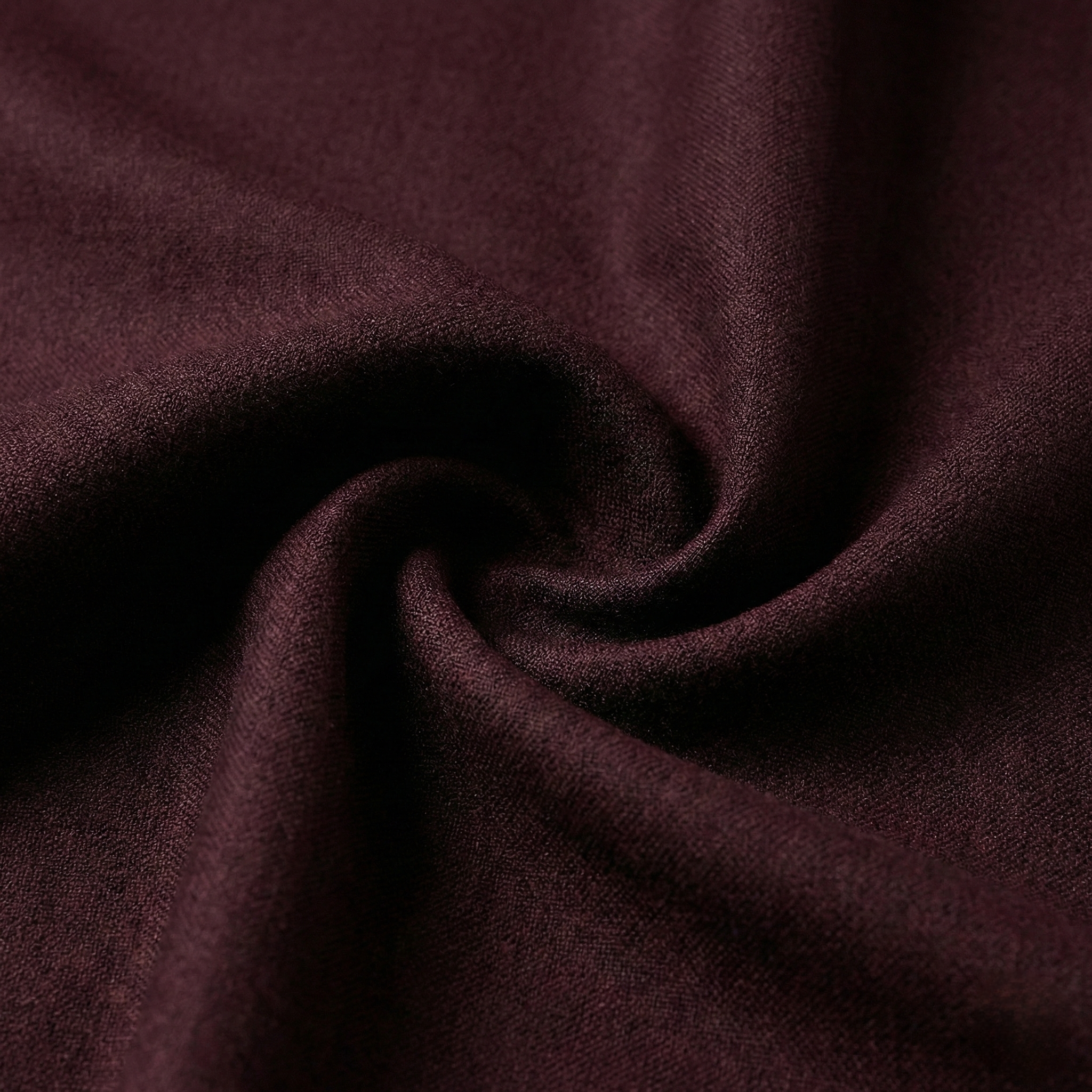
Wool flannel is known for its soft, slightly brushed surface. It creates a rich appearance and can work well for fall and winter suits, tailored trousers, and classic business clothing.
Flannel drapes differently from a smooth worsted fabric. It may look softer and less sharply defined, which suits relaxed tailoring and seasonal collections.
Buyers should consider that brushed surfaces may show wear in high-contact areas over time. Therefore, fabric testing should reflect the expected use and care cycle.
Lightweight Wool for Warm Climates
Lightweight wool can provide a professional suit appearance without the bulk of heavier cloth. It is suitable for summer collections, warm regions, business travel, and climate-controlled offices.
However, a very light fabric may wrinkle more easily or show the internal jacket construction. It may also require careful lining and interlining selection.
For warm-climate suits, buyers should review:
- Fabric weight
- Air permeability
- Weave openness
- Yarn twist
- Lining coverage
- Jacket structure
- Color transparency
- Crease recovery
A lightly constructed jacket and breathable lining can support comfort, but the finished garment must still hold its shape.
Medium- and Heavyweight Wool Fabrics
Medium-weight wool provides more body and is often easier to tailor into a stable business suit. It can offer a balanced option for year-round use in moderate climates.
Heavier wool gives greater structure, warmth, and drape. It is often selected for winter suits, formal tailoring, and garments designed for cool regions.
Yet heavier does not always mean more durable. Durability also depends on yarn strength, weave density, abrasion resistance, and how the suit is worn.
Brands serving more than one climate may need separate fabric programs rather than one universal cloth.
Understanding Super Numbers in Wool Suiting
Wool suit fabrics may be labeled Super 100s, Super 110s, Super 120s, or with a higher number. These values relate to the fineness of the wool fiber used in the fabric.
A higher number usually indicates finer wool. It may feel softer and more luxurious, but it is not automatically the best choice for every suit.
Very fine wool may require more careful wear and maintenance. In contrast, a balanced mid-range fabric can be more practical for daily business use, travel, or corporate programs.
Buyers should not select a cloth by its Super number alone. They should also consider weight, yarn twist, weave, finish, durability, and the target retail position.
Common Weaves Used in Men's Wool Suits
The weave affects texture, airflow, strength, and visual character.
Twill Wool Fabric
Twill has fine diagonal lines across its surface. It usually drapes well and is widely used for business and formal suits.
Serge, gabardine, and several other suiting fabrics use twill-based structures. The density and angle of the weave influence the finished appearance.
Hopsack Wool Fabric
Hopsack uses a visible basket-like weave. Its more open construction can support airflow and create a textured, less formal surface.
It is often used for blazers and warm-weather tailoring. Because of its texture, it works well as a separate jacket with wool trousers, chinos, or other coordinated garments.
Plain-Weave Wool Fabric
Plain weave uses a simple over-and-under construction. It can create a clean, lightweight fabric depending on the yarn and density.
It may be suitable for summer suits, uniforms, and practical business collections. However, the exact performance must be checked because open and tightly woven versions behave differently.
High-Twist Wool for Travel Suits
High-twist wool uses yarns with a greater degree of twist. This can create a crisp hand, improve airflow, and support crease recovery.
It is a practical option for travel-friendly suits and business clothing worn over long days. The surface may feel less soft than fine luxury wool, but it can offer useful performance for frequent wear.
Before approval, buyers should test how the fabric looks after folding, sitting, and light steaming. A travel suit should recover well without losing its tailored shape.
Solid, Striped, and Plaid Wool Fabrics
Color and pattern also affect fabric selection and production.
Solid wool is versatile and supports broad business use. Navy, charcoal, black, and gray are common choices for corporate and formal collections.
Striped fabrics create a defined professional appearance. However, stripe placement must be controlled across lapels, pockets, sleeves, jacket fronts, and trousers.
Plaid wool suits and blazers add more visual character. Checks make alignment errors easy to notice, so they require careful cutting and sample review.
Mariswear's tailoring range includes solid, striped, and plaid wool styles for business, formal, and smart casual markets.
How Buyers Should Evaluate Wool Suit Fabric
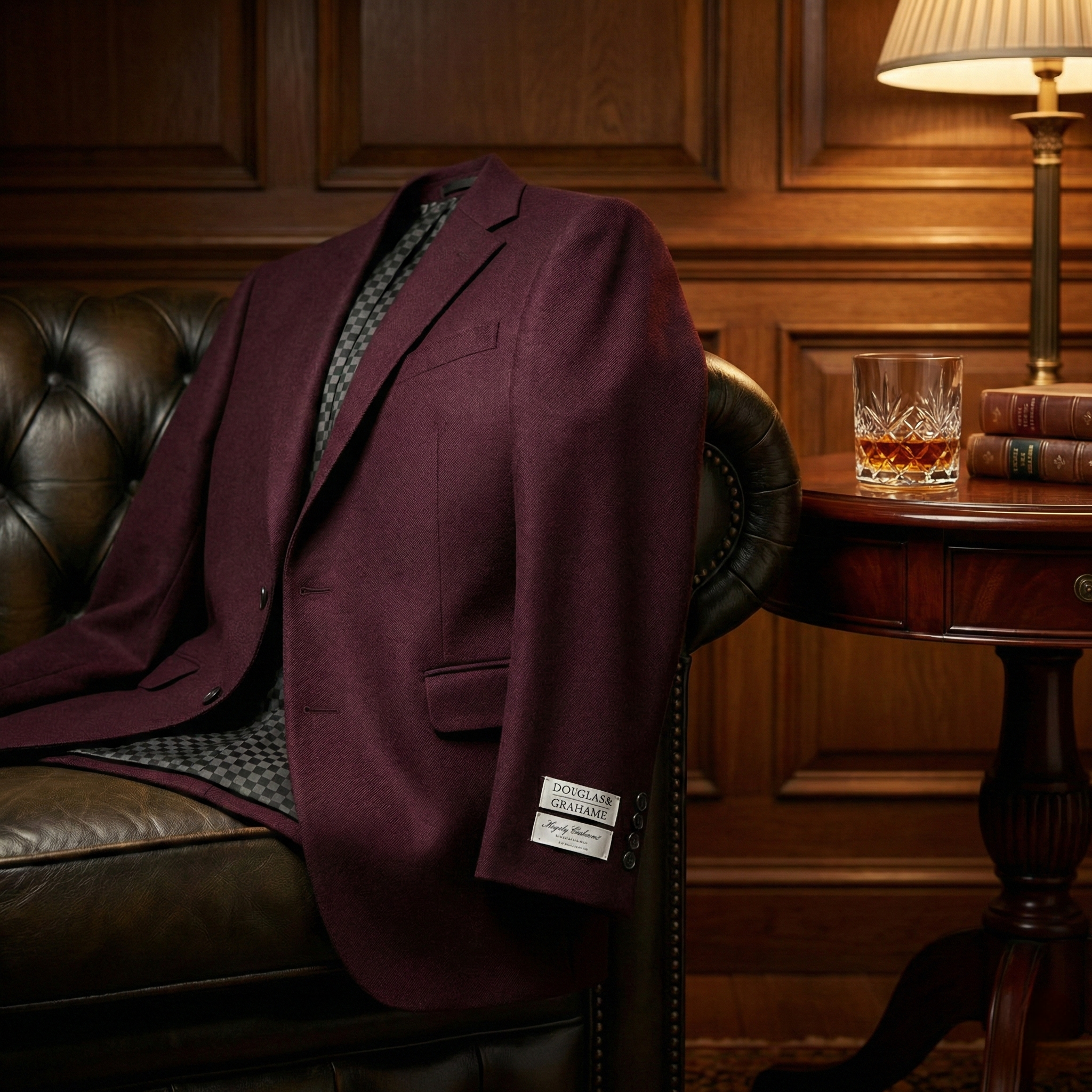
A digital image cannot show the full character of a fabric. Buyers should review a physical swatch, larger cutting, or sample garment before bulk approval.
The evaluation should include:
- Confirmed fiber composition
- Fabric weight and usable width
- Color under different lighting
- Surface and hand feel
- Drape on a finished jacket
- Stretch and recovery
- Wrinkle behavior
- Shrinkage and dimensional stability
- Pilling and abrasion performance
- Shade consistency between lots
- Care and labeling requirements
Testing methods should match the target market and intended claims. Results should also be confirmed against the buyer's own quality standard.
Matching Wool Fabric to the Final Application
Choose smooth worsted wool for versatile office and formal suits. Select wool flannel when warmth and a softer seasonal look are the main goals. Consider lightweight or high-twist wool for warm climates and travel.
A wool-Lycra blend can support flexibility in slim-fit or movement-focused garments. Textured hopsack is often more suitable for standalone blazers than highly formal matching suits.
For corporate programs, durability, comfort, shade consistency, and reorder availability may be more important than an especially fine fiber. For premium retail collections, hand feel, drape, finishing, and design distinction may carry more weight.
Mariswear works with men's wool suits and blazers across business, event, travel, and smart casual applications. Buyers can discuss fabric composition, style, size range, branding, and wearing conditions before sample development.
The right men's wool suit fabric is the one that supports the garment's fit, market, climate, and expected use. When fabric and construction are selected together, the finished suit can deliver a sharper appearance, better comfort, and more reliable performance.
Frequently Asked Questions
Is 100% wool always better than a wool blend?
No. A 100% wool fabric offers a traditional hand and drape, while a wool blend may add stretch or other practical features. The best option depends on the intended use.
Which wool fabric is best for a business suit?
A smooth worsted wool in a suitable medium or lightweight construction is a versatile choice for many business suits.
What wool fabric works well for travel?
High-twist wool and selected wool-stretch fabrics can provide useful crease recovery, airflow, and movement for business travel.
Does a higher Super number mean a more durable suit?
Not necessarily. Higher numbers generally indicate finer fibers. Durability also depends on yarn twist, weave, weight, finishing, and wear conditions.
Why should buyers approve the final production fabric?
A substitute sample fabric may drape, stretch, and press differently. Reviewing the final cloth helps confirm fit, construction, and bulk quality expectations.


